
"specialty Ethiopian beans"
700 article(s) found

Ethiopian coffee production methods Ethiopian coffee culture
For more information on coffee beans, please follow the coffee workshop (Wechat official account cafe_style) Ethiopian coffee production methods Ethiopian coffee is usually produced in a sustainable way, mostly as garden coffee. This means that it is planted by farmers near their houses and is often intercropped with other plants. The producer is in half
Ethiopian Coffee Culture characteristics of Ethiopian Coffee Export
Professional coffee knowledge exchange more coffee bean information please follow coffee workshop (Wechat official account cafe_style) Coffee is the core of Ethiopian culture, coffee production is both a loving labor and an important source of income. This crop has been integrated into the culture and economy of the country. The country is the sixth largest coffee producer, according to reports, in 2018
Ethiopian coffee background, birthplace of Ethiopian coffee
Professional coffee knowledge exchange more coffee bean information please follow the coffee workshop (Wechat official account cafe_style) Ethiopia, the birthplace of Ethiopian coffee, Ethiopia is famous for the birthplace of coffee. It is said that the country's nomadic mountain tribes first discovered its stimulating effect sometime in the 9th century. This plant was originally eaten raw as berries, not as it is today.

The characteristics of Ethiopian Coffee and the World-famous Ethiopian Coffee
The natural characteristics of coffee beans include large

What is Ethiopian Tippi Coffee? what is Ethiopian Bebeca Coffee?
Professional coffee knowledge exchange more information about coffee beans Please follow the coffee workshop (Wechat official account cafe_style) Teppi (Tepi) and Bebeka Tepi Coffee are very similar to Bebeka Coffee and are often used to mix coffee. Thanks to our long-term and reliable relationships with farmers and cooperatives in the Teppi and Bebeka regions of Gemma, Ethiopia, we have always been able to report to the world

Ethiopian Burka Gudina Farm Coffee Introduction Ethiopian Coffee Bean Flavor Features
Professional coffee knowledge exchange More coffee bean information Please pay attention to coffee workshop (Weixin Official Accounts cafe_style) Burka Gudina Farm This coffee comes from Burka Gudina Farm, which is located in Jimma area of western Oromia Highlands in Ethiopia. This farm is located in Limmu Kossa Woreda, the soil is fertile, the coffee trees grow completely in the shade, there is no

Introduction to the categories, producing areas and characteristics of coffee
Fresh coffee (Fresh Coffee Only): refers to freshly roasted coffee beans, only fresh coffee will have quality! Charming and exciting aroma, usually with pure beans as raw materials, freshly baked! Santos, Brazil; Colombia, excellent or mixed; Harald, Ethiopia; Mantenin, Sumatra, Kenya; and ESPRESSO, espresso beans, all of which are

Ethiopian Red Cherry Project | Xie Like Shilcho Cooperative | G1 washes local native species
Professional coffee knowledge exchange more coffee bean information please follow the coffee workshop (Wechat official account cafe_style) Ethiopian Red Cherry Project | Xie Like Shilcho Cooperative | G1 wash the flavor of local native species? Ethiopia is the country where coffee was first discovered. It is still the most important producer and the best producer in terms of coffee quality and output.

Ethiopian Zege Cooperative Coffee Flavor introduction to Ethiopian Coffee producing areas
For more information on coffee beans, please follow Coffee Workshop (Wechat official account cafe_style) Ethiopia Zeg Cooperative area: Amhara area height: 1850-2000 masl Harvest time: January-February municipalities directly under the Central Government: Bahir Dar, Lake Tana Gene varieties: family Baudi Bika arrived in the United States. Production type from April to June: chicken cages

Introduction of Ethiopian Coffee beans the characteristics of Ethiopian coffee beans
Various forms of coffee cultivation can be found in Ethiopia: everything from wild coffee forests and semi-developed land to traditionally operated plots to modern plantations. About 50% of the coffee is grown more than 1500 meters above sea level. Harrar coffee is the highest growing area of all coffee in Ethiopia. Hara coffee can be divided into long coffee.

Ethiopian Coffee | Flavor characteristics and Classification of Ethiopian Yega Snow Coffee
For more information on coffee beans, please follow the coffee workshop (Wechat official account cafe_style) [product name]: Ethiopia Yirgacheffe, Ethiopia [quality rating]: WP Grade 2 [roasting degree]: recommended moderate roasting degree (Medium Roast or City Roast) [Grade]: excellent [granules]:
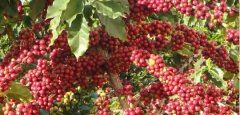
Detailed introduction of Yega Sheffield-Michelle Michelle Coffee Cooperative
Professional barista exchanges please follow the coffee workshop (Wechat official account cafe_style) Ethiopia Yega Xuefei-Michelle Michelle Coffee Cooperative Ethiopia is the country where coffee was first discovered, there is still a lot of wild coffee for farmers to harvest in the virgin forest, this is a country with poverty, drought and civil war, but it is still in terms of coffee quality and output.

King of Ethiopia G1 washes Ethiopian Coffee Manor Ethiopian Coffee Brand
Professional coffee knowledge exchange more coffee bean information please follow the coffee workshop (Wechat official account cafe_style) Ethopia Sidamo Washed WONDO G1 country: Ethiopia: Cochelle, King's way altitude: 1750m treatment: washing grade: G1 varieties: original species flavor description: when grinding beans emit the aroma of vanilla and lemon, after rinsing

Ethiopian Coffee characteristic Gima Coffee Sidamo Coffee African boutique Coffee beans sour Coffee
The natural characteristics of coffee beans include large coffee beans.

The origin of Ethiopian coffee is the quality of Ethiopian coffee good Ethiopian coffee brand
Professional coffee knowledge exchange more coffee bean information please follow the coffee workshop (Wechat official account cafe_style)
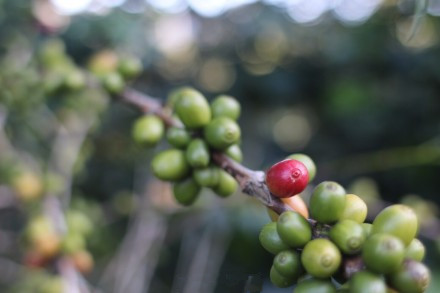
Ethiopian coffee the characteristics of Ethiopian coffee
The coffee tree originated in Ethiopia, which was originally a wild plant here, and the name coffee comes from the Ethiopian town of Kaffa. Humans may have known how to grow coffee trees as early as the 9th century. Coffee producing area in Ethiopia: many coffee trees in Ethiopia are still wild plants, and the coffee grown on this coffee tree is full of grains.

Ethiopian coffee beans recommend Ethiopian coffee which producing area has the best coffee quality
Professional coffee knowledge exchange more coffee bean information please follow the coffee workshop (Wechat official account cafe_style)

Ethiopian Sun-Sitama Ethiopian Coffee Bean Introduction
SIDAMO G-1 SPECITLTY PRODUCTION AREA: GUJI PRODUCTION AREA ALTITUDE: 1900-2200 METERS VARIETY: Arabica BEAN SEED: HEIRLOOM TREATMENT: Sun-drying, Shelter-drying Product Specifications: 60kg sacks Outer packaging lined with American patent GRAIN PRO bag Flavor: red wine, lemon, citrus fragrance, jasmine flower fragrance, peach juice, unique flavor fruit drink.

How about Ethiopian coffee? Ethiopian rambutan coffee flavor
Professional coffee knowledge exchange More coffee bean information Please pay attention to coffee workshop (Weixin Official Accounts cafe_style) Flavor description Dry fragrance is osmanthus, sugar-fried chestnut, strawberry aroma, sip is raspberry, jasmine, mangosteen, honeydew melon and other tropical fruit aroma. Production area information Ethiopia Guji production area 1800 meters ~ 2100 meters Bean information 2019 production season Sunlight original species Although
The Origin of Ethiopian Coffee the Origin of Ethiopian Coffee
Professional coffee knowledge exchange more information about coffee beans please follow the coffee workshop (Wechat official account cafe_style) the birthplace of coffee Abyssinia, now Ethiopia, is considered to be the birthplace of coffee. According to the history of ancient Ethiopia, the story is that around 850 AD, there was a shepherd named Caldi. It is said that he discovered the current notoriety.